
HALF A DECADE POST-COVID: WhERE IS MEDICAL RESEARCH TODAY?
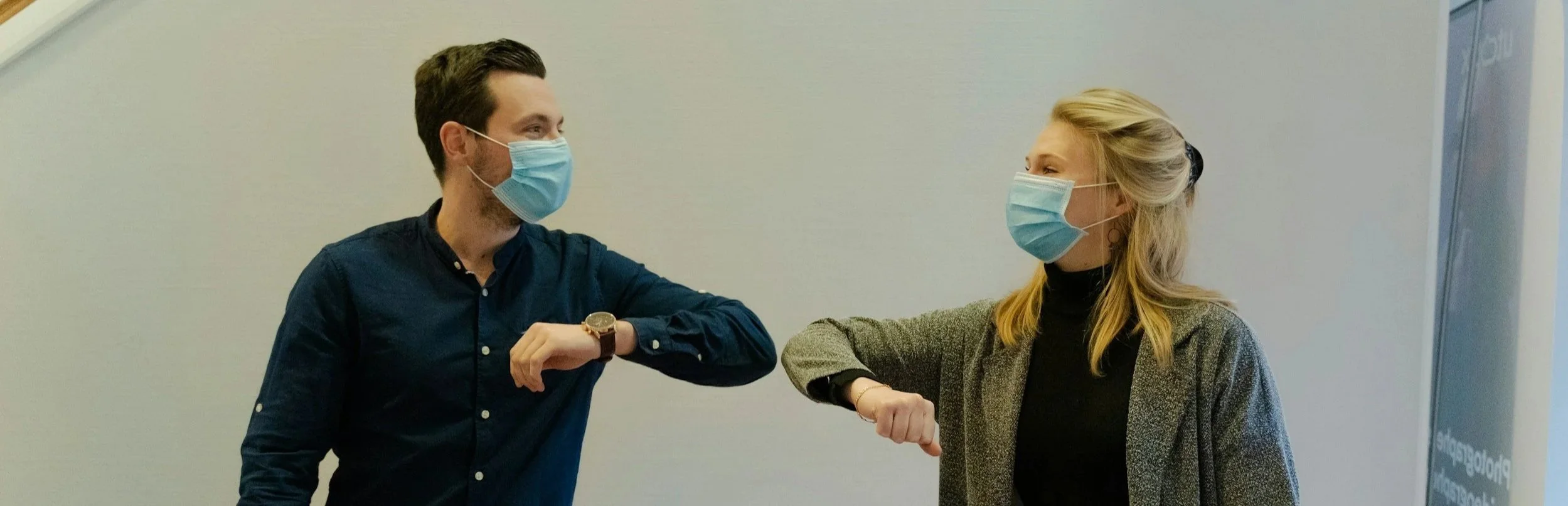
How the pandemic permanently rewired the way medicine listens to itself.
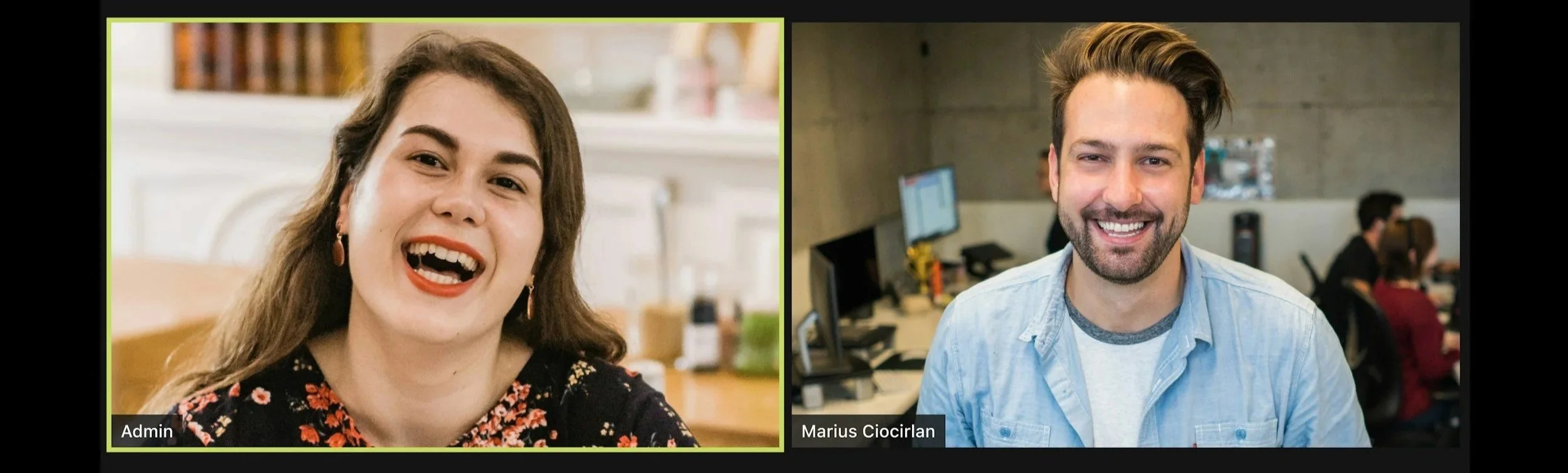
In the spring of 2020, a moderator at a Chicago-based pharmaceutical research firm found herself doing something she had never done before: conducting a focus group in her kitchen. Eight oncologists were on her screen, arranged in the familiar Brady Bunch grid that would soon come to feel as quotidian as a commute. She had spent twelve years perfecting the art of in-person group dynamics — reading body language, managing the dominant talker in the back corner, calibrating the temperature of the room. Now she was staring at thumbnails.
"We all assumed it was temporary," she recalled, in an interview conducted, fittingly, over video call. "We thought we'd be back in facility rooms by autumn."
Five years on, she has not gone back. Not entirely. And neither, it turns out, has the industry.
The COVID-19 pandemic — whose official global health emergency designation the World Health Organization lifted in May 2023 — did not merely disrupt medical focus group research. It restructured it. What began as emergency improvisation has hardened into a new methodology, one that has expanded the geographic and demographic reach of qualitative health research while raising fresh questions about depth, privacy, and what is lost when bodies are absent from the room.
The Forced Experiment
Before the pandemic, the medical focus group occupied a specific, somewhat ritualistic place in the pharmaceutical and healthcare product development lifecycle. Researchers — whether testing a new drug's messaging, probing physician attitudes toward a therapy, or exploring patient experiences of chronic disease — would convene groups in dedicated facilities: neutral, corporate rooms, usually in major metropolitan hubs, with one-way mirrors behind which clients would gather with their notepads and coffee. Participants would be recruited from local panels, their travel reimbursed, their time compensated.
The model was effective and deeply entrenched. It was also, as the pandemic made suddenly obvious, radically inflexible.
When the lockdowns arrived, research could not simply stop. Clinical timelines do not pause. Pharmaceutical launches do not defer to emergencies — or rather, they defer only long enough for someone to figure out the workaround. Within weeks, the industry was conducting focus groups via Zoom, WebEx, and a hastily assembled ecosystem of video conferencing platforms. Research teams that had debated the merits of online qualitative methods for years found the argument settled for them, abruptly, by a respiratory virus.
As one methodological review in JMIR Research Protocols noted, virtual focus groups had existed as an academic concept for years but had faced persistent resistance, with researchers concerned about their ability to capture group dynamics and maintain data security. The pandemic forced a wholesale, involuntary trial — and the results were instructive.
The Unexpected Dividend
The most frequently cited revelation of the pandemic pivot was geographic access. In the traditional model, research overwhelmingly concentrated participants in cities where facilities existed: New York, Chicago, Los Angeles, Philadelphia. Rural patients, those with mobility limitations, and — crucially — underrepresented racial and ethnic communities were systematically excluded not by design but by logistics. A patient with metastatic lung cancer in rural Mississippi was unlikely to travel four hours to sit in a focus group facility in Memphis.
Virtual formats dissolved that barrier almost instantly. Researchers found they could recruit from zip codes that had never previously been represented in their panels. This mattered not merely as a diversity metric but as a scientific one. Clinical trials have historically enrolled primarily white male patients, with people of color — who make up approximately 39% of the U.S. population — representing only between two and sixteen percent of trial participants. The same skew had long afflicted qualitative research. Online formats began to correct it, and the correction proved durable.
Pharmaceutical companies accelerated investments in decentralized and community-based research models, with companies like Moderna and Sanofi reporting that online platforms enabled them to achieve 80% patient diversity in vaccine and COPD trial enrollment. While those figures apply to clinical trials rather than market research focus groups specifically, the underlying logic — that digital access expands who can participate — migrated readily across the research spectrum.
There was a secondary dividend, less discussed but perhaps equally significant: physician availability. Recruiting practicing specialists for in-person focus groups had always been a logistical headache. A cardiologist in suburban New Jersey was unlikely to drive into Manhattan on a Tuesday evening, sit in a facility room for two hours, and then drive home. The same cardiologist, it turned out, was often perfectly willing to join a Zoom session from her office during a lunch break. Healthcare marketers noted that engaging physicians effectively had become one of the industry's persistent challenges — but the virtual format significantly lowered the activation energy required.
The New Hybrid Norm
By 2023, as the acute phase of the pandemic receded, a question the industry had been deferring arrived with urgency: should the in-person model be restored?
The answer, arrived at somewhat collectively and without much fanfare, was: partially.
The hybrid model — conducting some research virtually, reserving in-person sessions for contexts requiring physical interaction, product handling, or richer nonverbal data — has become the dominant paradigm. Telehealth usage stabilized post-pandemic at levels approximately 38 times higher than pre-COVID baselines, a pattern that mirrors the trajectory of virtual research modalities. The boom years of pure-virtual convenience settled into a more considered integration.
The calculus varies by research objective. Studies exploring physician prescribing habits or patient attitudes toward treatment adherence translate well to video formats. Research involving physical products — medical devices, packaging, drug delivery systems — often does not. A moderator cannot observe how a patient holds an inhaler over a webcam with the same granularity available in person. The haptic dimension of product research resists digitization.
What has emerged in the intervening years is a sophisticated vocabulary for matching method to question. Research firms now routinely design hybrid protocols that combine asynchronous online discussions — where participants respond in text over several days — with synchronous video sessions and, for certain objectives, in-person components. Researchers have found that hybrid approaches blending traditional face-to-face interactions with asynchronous online discussions have shown significant promise in promoting participant engagement and enriching qualitative insights.

The AI Transformation
The methodological disruption introduced by remote research has been amplified, since 2023, by a second transformation: the integration of artificial intelligence into qualitative analysis.
For decades, the analysis of focus group data was among the most time-intensive tasks in research. Hours of recorded discussion would be transcribed — a process that itself took hours — and then coded by trained analysts who read through transcripts, identified themes, tracked contradictions, and built interpretive frameworks. A single moderately complex study might require weeks of analytical labor before a report could be written.
Natural language processing tools have begun to compress that timeline dramatically. Research teams using automated qualitative assistant software based on NLP have reported a 75% reduction in the time required for coding of data. More striking still, in some cases the AI-assisted analysis surfaced relationships between concepts that human analysts had not identified — not because the humans were inadequate, but because the volume of material exceeded what any individual reader could hold in working memory simultaneously.
The implications for medical research are significant. Large language models have demonstrated the capacity to automate the interpretation task in qualitative research, though researchers note that challenges remain in evaluating the quality of the resulting themes. The current consensus, reflected in multiple published studies, is that AI functions best as an amplifier of human judgment rather than a replacement for it. While human coders appear to be better than generative AI at identifying nuanced and interpretive themes, studies suggest that hybrid approaches — combining AI efficiency with human interpretive oversight — are necessary.
Pharmaceutical companies have been early and enthusiastic adopters. The implementation of AI-assisted data gathering and analysis has shortened timeframes between identifying patient needs and product deployment, according to leading pharmaceutical market research firms — a compression that matters considerably in an industry where drug development timelines are measured in years and cost overruns in hundreds of millions of dollars.
Tools like ATLAS.ti and NVivo, long-standing workhorses of qualitative analysis, have incorporated AI-assisted coding features. These tools now quickly generate initial codes that researchers then refine, reducing the manual labor of traditional coding while still maintaining the interpretive rigor that qualitative research demands.
What Is Lost in the Frame
The enthusiasm for virtual and AI-assisted methods has not gone uncontested. Among moderators and methodologists, a quieter skepticism persists — one that tends to surface in conference conversations and internal discussions rather than published literature.
The concerns center on what might be called the phenomenology of presence: the data that exists only in the physical room. A participant who is nodding but whose hands are clenched. The silence that follows a particularly uncomfortable question. The moment when two participants make eye contact, and the moderator catches it, and adjusts the discussion accordingly. These are not trivial signals in medical research, where the subject matter is often intimate, frightening, or stigmatized.
Chronic illness research, in particular, has historically depended on the careful cultivation of group disclosure — the way patients, gathered in a room and gradually recognizing their shared experience, begin to say things they have never said to a physician, or a family member, or themselves. Researchers who work in oncology, rare disease, and mental health note that replicating this dynamic via webcam requires active compensatory technique: smaller groups, longer warm-up periods, more deliberate pacing.
Virtual focus groups present persistent challenges in managing group dynamics in online settings, ensuring participant engagement, and addressing privacy concerns. Research teams have developed workarounds — co-facilitators who monitor participant engagement separately from the moderator, breakout rooms for sensitive conversations, meticulous pre-session onboarding — but the workarounds are themselves an acknowledgment that the problem exists.
There is also the question of digital exclusion. The patients whose perspectives are most needed in many therapeutic areas — elderly patients, those with low digital literacy, those in communities with unreliable broadband access — are often the same patients least well served by virtual formats. The flexibility of video conferencing may allow researchers to recruit participants by eliminating transportation and transit time barriers, but it simultaneously introduces technology barriers that can be equally prohibitive for certain populations.

Diversity as Imperative, Not Afterthought
One of the most consequential shifts of the post-pandemic period has been the formalization of diversity as a research mandate, not merely an aspiration. Regulatory pressure has accelerated this change significantly.
The FDA published draft guidance in June 2024 on Diversity Action Plans to Improve Enrollment of Participation from Underrepresented Populations in Clinical Studies, replacing earlier draft guidance and signaling the agency's intention to treat demographic representativeness as a substantive scientific concern. The logic is sound: a drug whose safety and efficacy data derives overwhelmingly from white male participants in Boston and San Francisco does not have the evidence base its label implies.
This regulatory pressure has cascaded into qualitative research. Focus groups that were once drawn almost entirely from metro-area convenience panels are increasingly designed with explicit geographic and demographic requirements. Research protocols now specify not merely sample sizes but demographic compositions, and recruiters are evaluated partly on their ability to deliver those compositions.
Virtual infrastructure has made compliance more achievable. A moderator in Philadelphia can now run a focus group whose participants span rural Appalachia, the Mississippi Delta, and the Texas border region — a geographic range that would have been operationally impossible five years ago. The conversation about what patients actually experience, fear, and want from their treatment is, for the first time, genuinely beginning to include the patients who were always meant to be in the room.
The Trust Problem
Beneath all of these methodological changes runs a subtler current that researchers describe with varying degrees of directness: a change in the trust environment.
The pandemic did not merely change how research is conducted. It changed, in ways still being measured, how patients relate to medical institutions, pharmaceutical companies, and scientific authority. Public health leaders have identified the need to reinforce and restore trust in science after the COVID-19 pandemic as one of the central challenges for the coming years.
For focus group researchers, this shift is felt in the room — or on the screen. Participants are more likely to arrive with formed opinions about pharmaceutical companies, more likely to express skepticism about the purposes of the research, more likely to ask pointed questions about data use. The work of establishing rapport, always central to good qualitative moderation, has become more demanding.
Some researchers regard this as a net improvement. Participants who arrive with skepticism and leave with their questions answered are, in a sense, more engaged participants than those who arrived with comfortable deference. The harder edge of post-pandemic public opinion may be producing sharper, more candid data — provided the moderator has the skill to work with it.
Looking Forward
What the next five years hold for medical focus group research is genuinely uncertain in ways that would have been difficult to predict before the pandemic. The infrastructure for virtual research is now robust and institutionalized. AI tools for analysis are improving rapidly and becoming standard issue at most research firms. The diversity agenda has regulatory teeth it lacked before.
The clinical research landscape continues to be shaped by advancements aimed at making research faster, more efficient, and more accessible, with artificial intelligence playing a major role in optimizing processes and ensuring trials and research activities are more representative of the populations they serve.
But the deepest questions are not technological. They are methodological and, in a sense, philosophical. Qualitative research in medicine has always rested on a particular belief: that there is knowledge available in the spoken word, in the hesitation and the digression and the half-articulated feeling, that cannot be captured in survey data or biomarkers. The pandemic forced that tradition onto digital infrastructure, and the infrastructure held. AI is now beginning to process the spoken word at scale.
What remains to be determined — and what will likely occupy methodologists for years to come — is whether the knowledge being captured is the same knowledge, translated faithfully into a new medium. Or whether something essential, some unreproducible feature of presence and proximity, has been left behind in the facility rooms now sitting empty in cities across the country, their one-way mirrors reflecting nothing in particular.
Sources for this article include published research in JMIR Research Protocols, JMIR AI, the Journal of Medical Internet Research, Qualitative Research Journal, BMC Medical Informatics and Decision Making, and industry reports from ZS Associates, MM+M/Swoop, and the Access to Medicine Foundation. All focus group professionals quoted were granted anonymity due to the confidential nature of pharmaceutical client relationships.