
What QRCA 2026 Taught Us About the Future of Qual Research
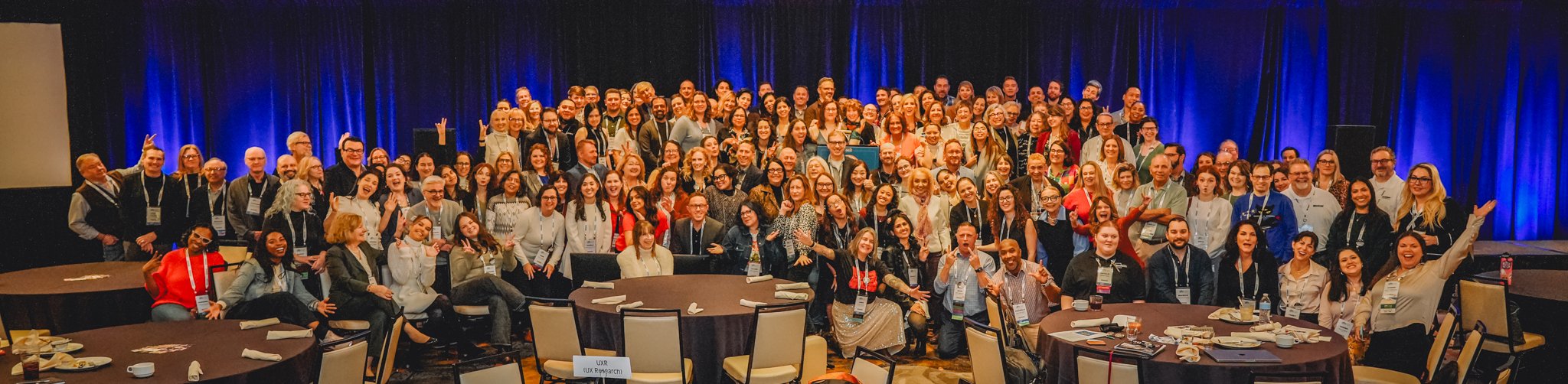
At this year’s annual conference of the Qualitative Research Consultants Association, better known as QRCA, hundreds of moderators, strategists and insight leaders gathered in San Antonio for the same reason: qualitative research is at an inflection point.
The 2026 conference was not simply a showcase of new techniques. It was, in many ways, a referendum on what kind of researchers we’re going to try to be in an era defined by artificial intelligence, shrinking attention spans and rising skepticism about data itself.
Here are six lessons from QRCA 2026 that should reshape how we approach research this year.
1. MORE DESIGN ISN’T the same as better DESIGN
For years, we’ve treated quality and process as synonyms: screeners, quotas, discussion guides, debriefs. But one of the strongest themes running through the conference was that research design must balance discipline with humanity. Just having a process does not mean it’s a good one.
Good research is not only technically sound. It carries emotional weight. It accounts for context, power dynamics and lived experience. It recognizes that insight does not emerge just because you phrase one question right, but because you build overarching trust with respondents.
In 2026, the best research designs will be those that marry methodological precision with empathy. Not science versus soul. Science and soul.
2. PRESENCE CAN’T BE REPLACED BY
Several sessions emphasized something we rarely quantify: the moderator’s internal state.
In an age of distraction, presence is a competitive advantage. A centered moderator listens differently. They hear hesitation. They notice contradictions. They create safety. Participants feel it. You are the barrier between questions and answers, and its your own posture and focus on the words people share that help your clients gain the insights they need.
This may sound abstract, but it has measurable impact. Rapport influences disclosure. Disclosure influences depth. Depth drives insight.
If we want better outcomes, treat presence not as a personality trait, but as a professional discipline.
3. AI WILL EXPOSE YOU, NOT REPLACE YOU
Artificial intelligence was everywhere at QRCA 2026 — in workshops, hallway conversations and late-night debates. The message was neither blind enthusiasm nor fear. It was accountability.
AI can summarize transcripts in seconds. It can cluster themes and flag sentiment shifts. It can accelerate the mechanical parts of our work. But it cannot understand nuance unless we teach it what nuance looks like.
The researchers who thrive this year will not be the ones who resist AI, nor the ones who outsource judgment to it. They will be the ones who use it to clear bandwidth — and then go deeper than ever.
Technology raises the floor. It does not raise the ceiling. That remains our job.

4. Authenticity IS THE DOWN PAYMENT FOR INSIGHT
Recruitment integrity emerged as a quiet but urgent concern. Fraudulent respondents, professional participants and inattentive recruits threaten the credibility of our field.
The solution is not just better screeners. It is better ecosystems. Cross-checking engagement history. Building long-term panels. Partnering with recruiters who prioritize quality over speed.
If qualitative research is built on real stories, we must defend the “real” part relentlessly.
5. WITHOUT STRAGETY, INSIGHTS BECOME NOISE
A recurring theme across presentations: qualitative researchers must position themselves as strategic partners, not note-takers.
Clients are not drowning in data because they lack information. They are drowning because they lack direction.
The future of qualitative reporting is not a longer deck. It is sharper synthesis. It is framing findings around decisions. It is answering “Now what?” before being asked.
In 2026, storytelling is not embellishment. It is leadership.
6. Community IS THE BUILDING BLOCK OF GROWTH
Perhaps the most underestimated takeaway from QRCA 2026 was the value of gathering itself. The structured sessions mattered. But so did the informal conversations, the peer roundtables, the dinners where someone admitted what didn’t work.
Qualitative research can be isolating work. Yet it depends on perspective — and perspective expands in community.
Professional networks are not optional extras. They are infrastructure for growth, resilience and innovation.

DEFINING THE YEAR AHEAD
If there was a single undercurrent at QRCA 2026, it was this: the industry is being asked to grow up.
We are being asked to prove our rigor in a skeptical world. To harness AI without losing humanity. To defend authenticity. To deliver strategy, not summaries. To be fully present in rooms — physical and virtual — where decisions are shaped.
Qualitative research has always been about understanding people. What QRCA 2026 made clear is that the next evolution of our field depends on how deeply we understand ourselves — our tools, our biases, our responsibilities.
The future of research will not be defined by software.
It will be defined by intention.